––––– UX|UI case study · 7 min read
Citizens can interact with the City in an easy way
IoT Smart City Mobile App
––––– My Role: Product Designer
We used the Design Sprint process to get from the long-term goal to a clickable Figma prototype which we then tested with real customers
––––– Deliverables
- High-Fidelity Prototype
- Usability Testing
––––– Tools Used
- Figma
- Lookback

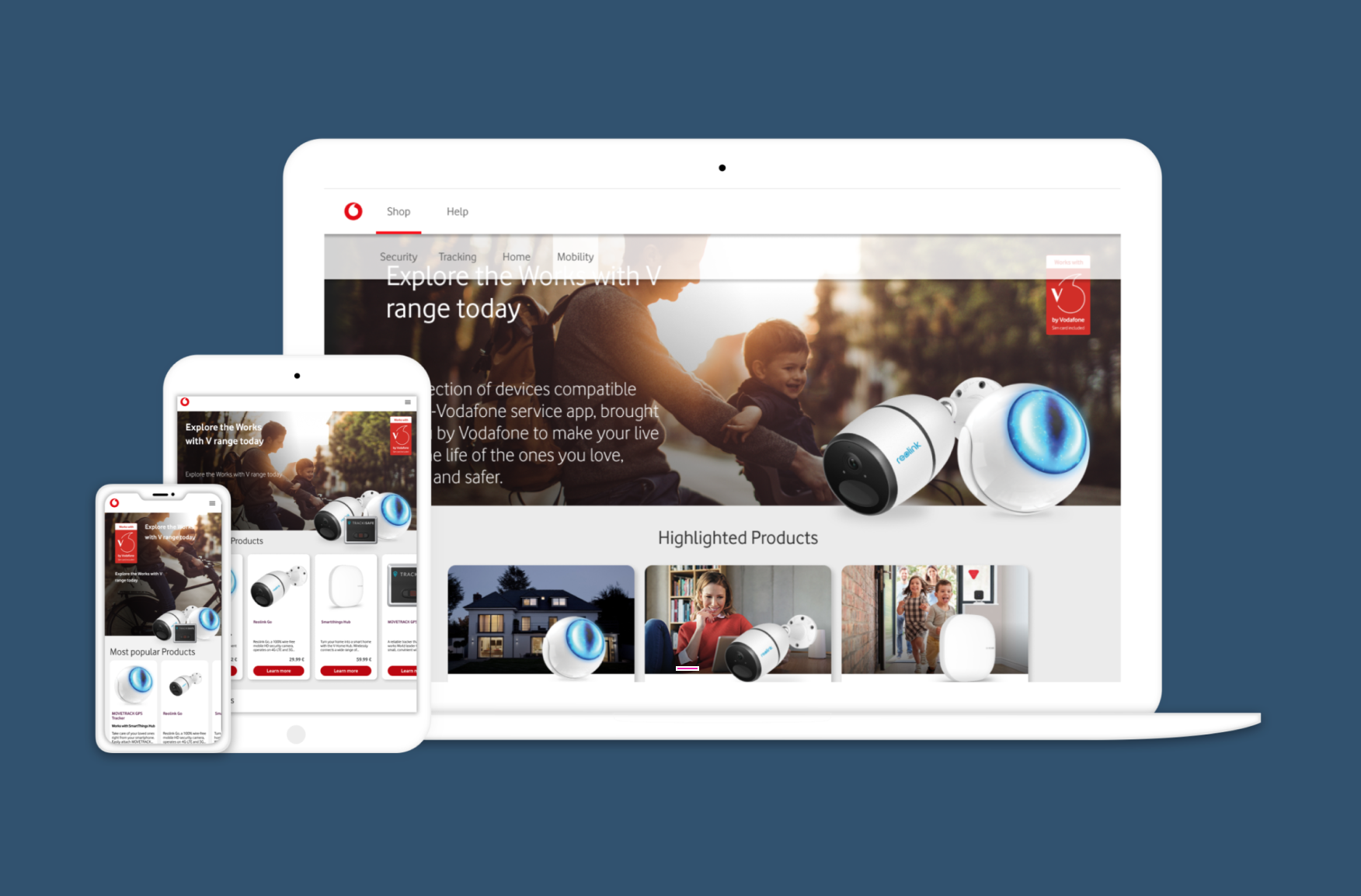
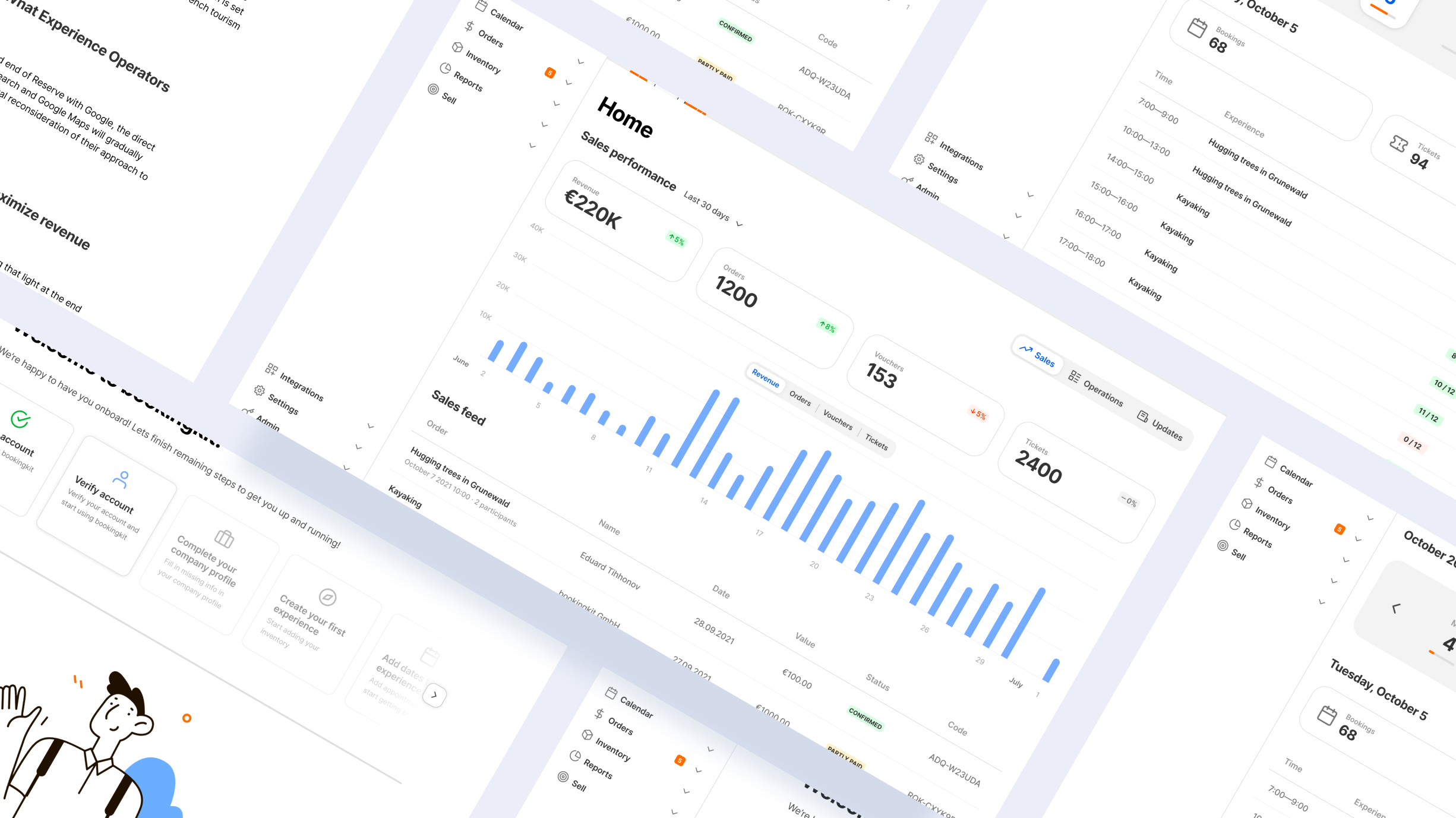
Hompage of Vodafone IoT Market Place
––––– Challenge
Our main goal was to enable citizens' interaction with the city in an easy & cost-effective way so that they can address quality-of-life issues. To do so, we have set several questions we wanted to answer during our design process:
1) Will citizens use digital products to resolve quality-of-life issues?
2) Will citizens be overwhelmed with the product offerings
––––– Solution
A mobile application integrated with sensors allows us to communicate a wider range of data. An important technological component of smart cities is the communication of objects and devices. Through the usage of the mobile app, citizens can communicate with the city and address issues, such as refuse containers or illegally parked cars, etc. They can also get navigated to vacant parking slots. As a solution, we created a simple and easily understood process of addressing the issues to the city representatives with clear navigation and thoughtfully grouped categories and sub-categories.
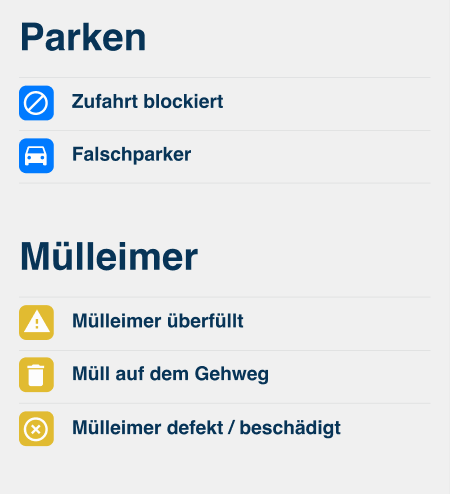
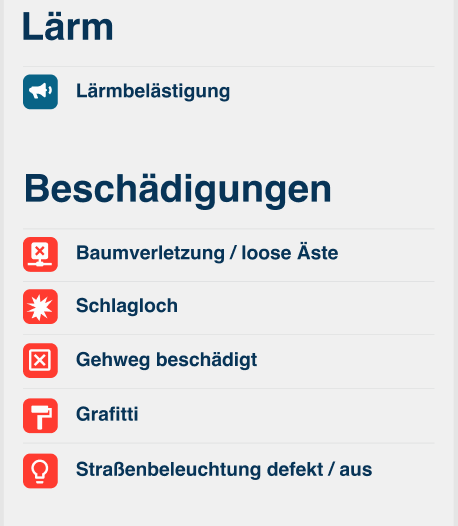
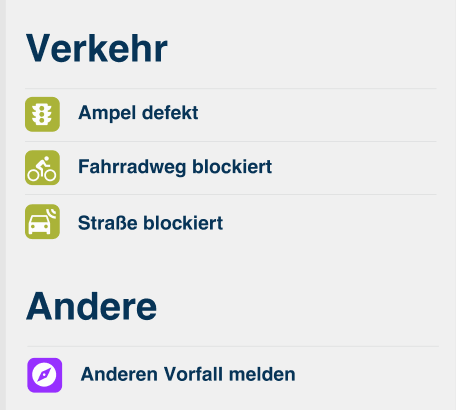
Categories and sub-categories
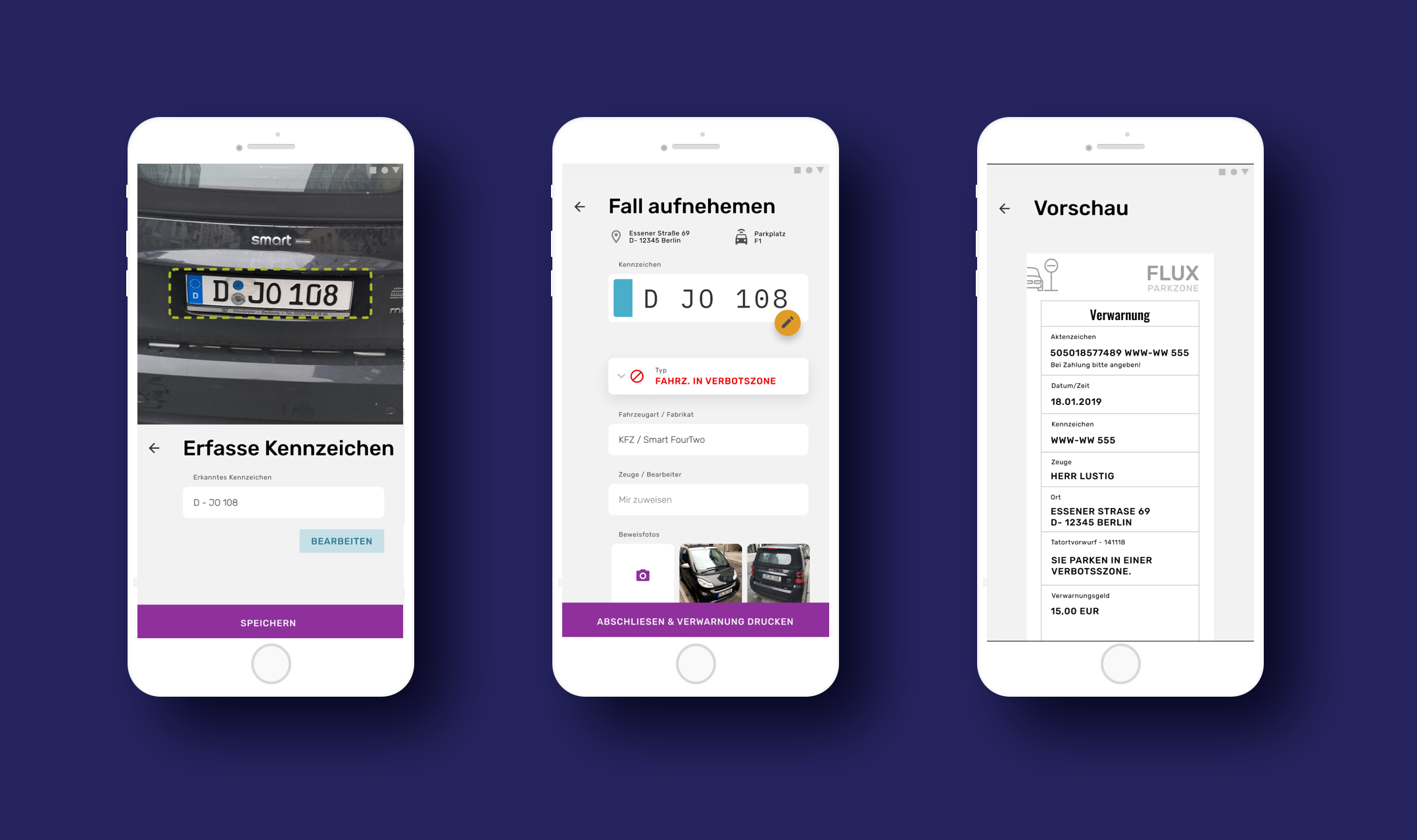
Registering of wrong parking
––––– Maping the Challenge
The picture below shows how we mapped the challenge. The left side includes the actors involved in the challenge, the right side shows the long-term goal, and everything in between is the steps on how to reach that long-term goal.
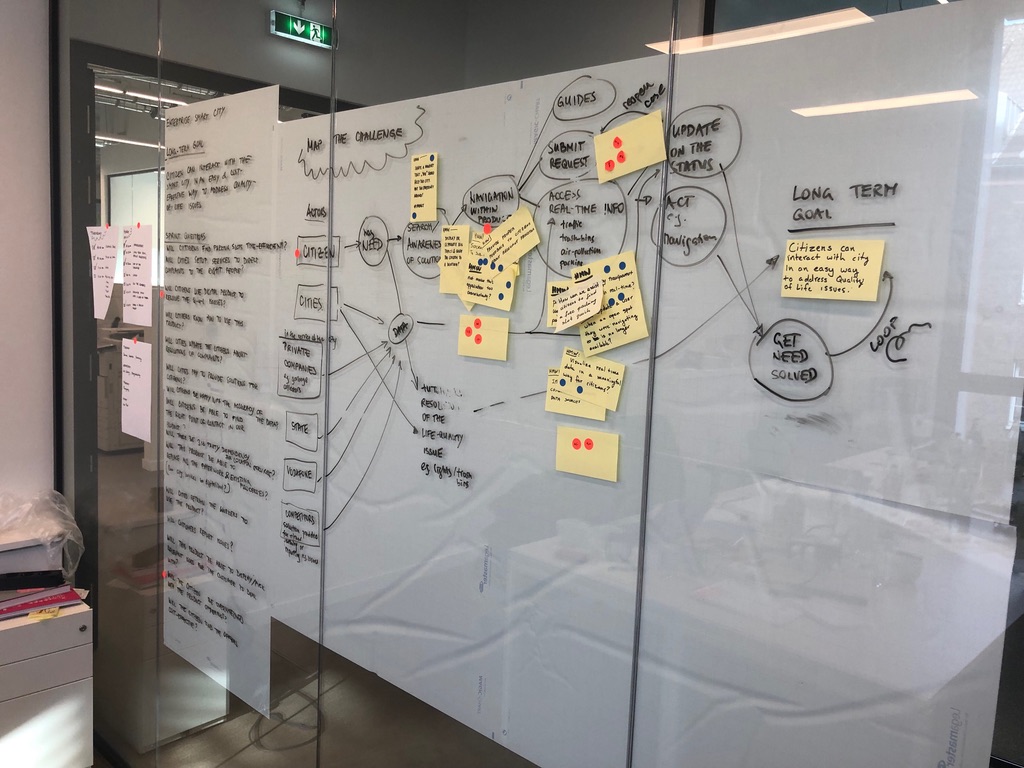
Mapping the challenge
––––– Brainstorming and initial mockups
We created several sketches using sketching methods like crazy 8s, solution sketch, and lightning demos.
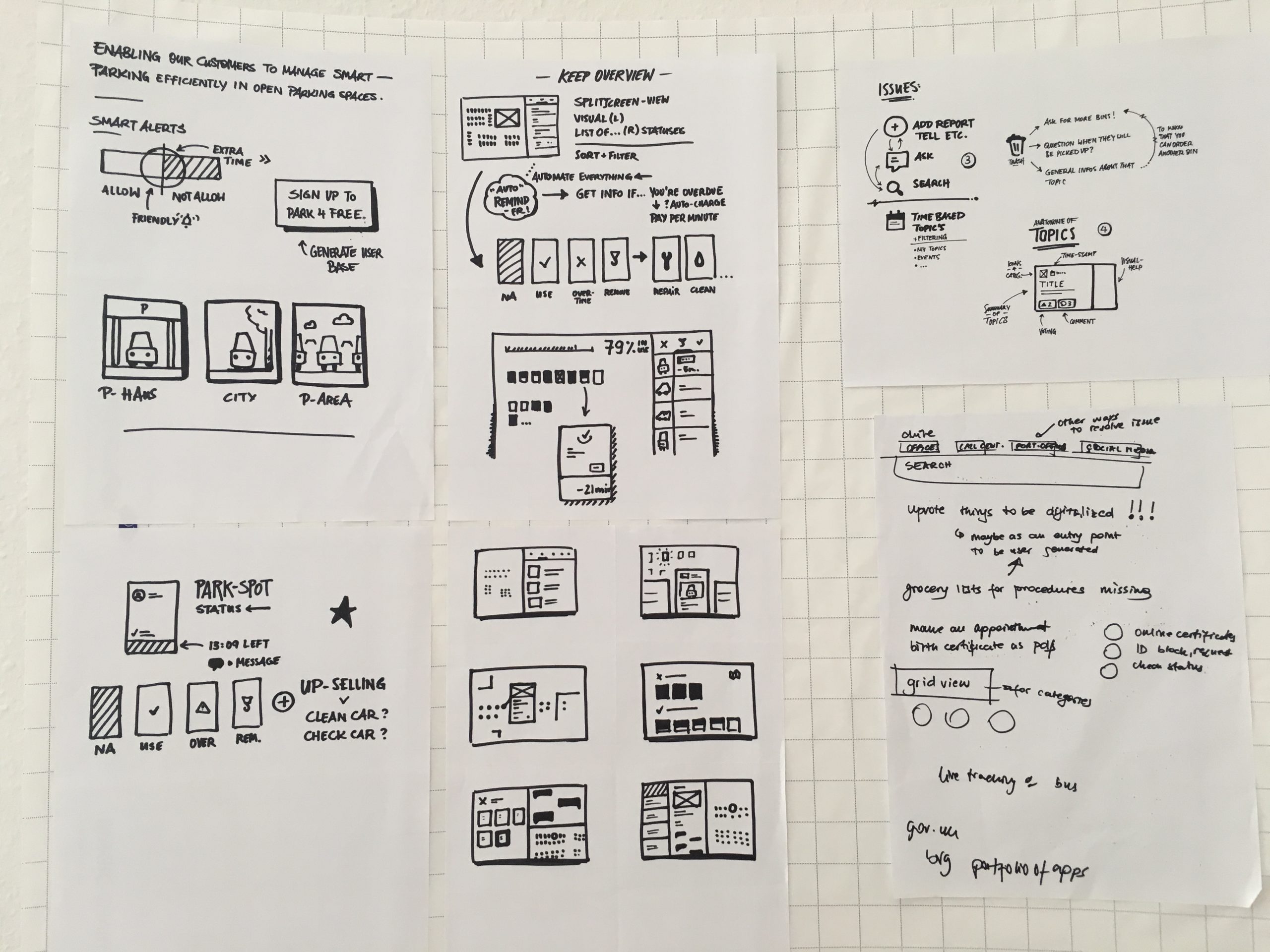
Mockup sketches
––––– Usability Testing
We invited 10 testers. The criteria were the following: 25-45 years, mixed-gender, German speakers, minimum device requirements: a smartphone. People who are commuting daily with the car ( to work or university), in different income ranges. We gathered feedback from the users and clustered this feedback in groups in terms of priority.
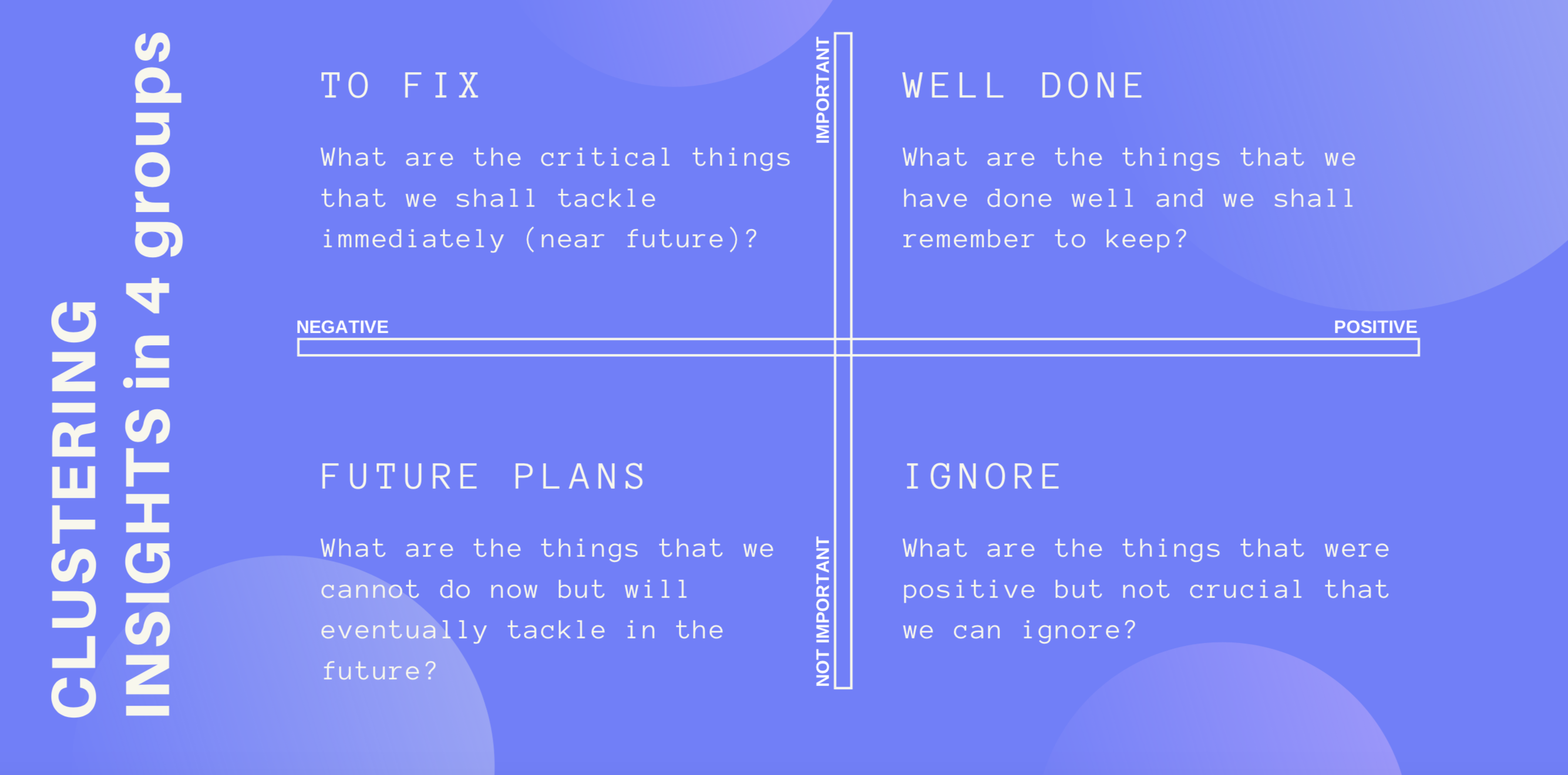
Usability testing clustering matrix
Selected Works